
 Share
Share


Availability:
In stock
SKU
67C0EAEA-B40F-4C2B-8460-8215052DDEB7
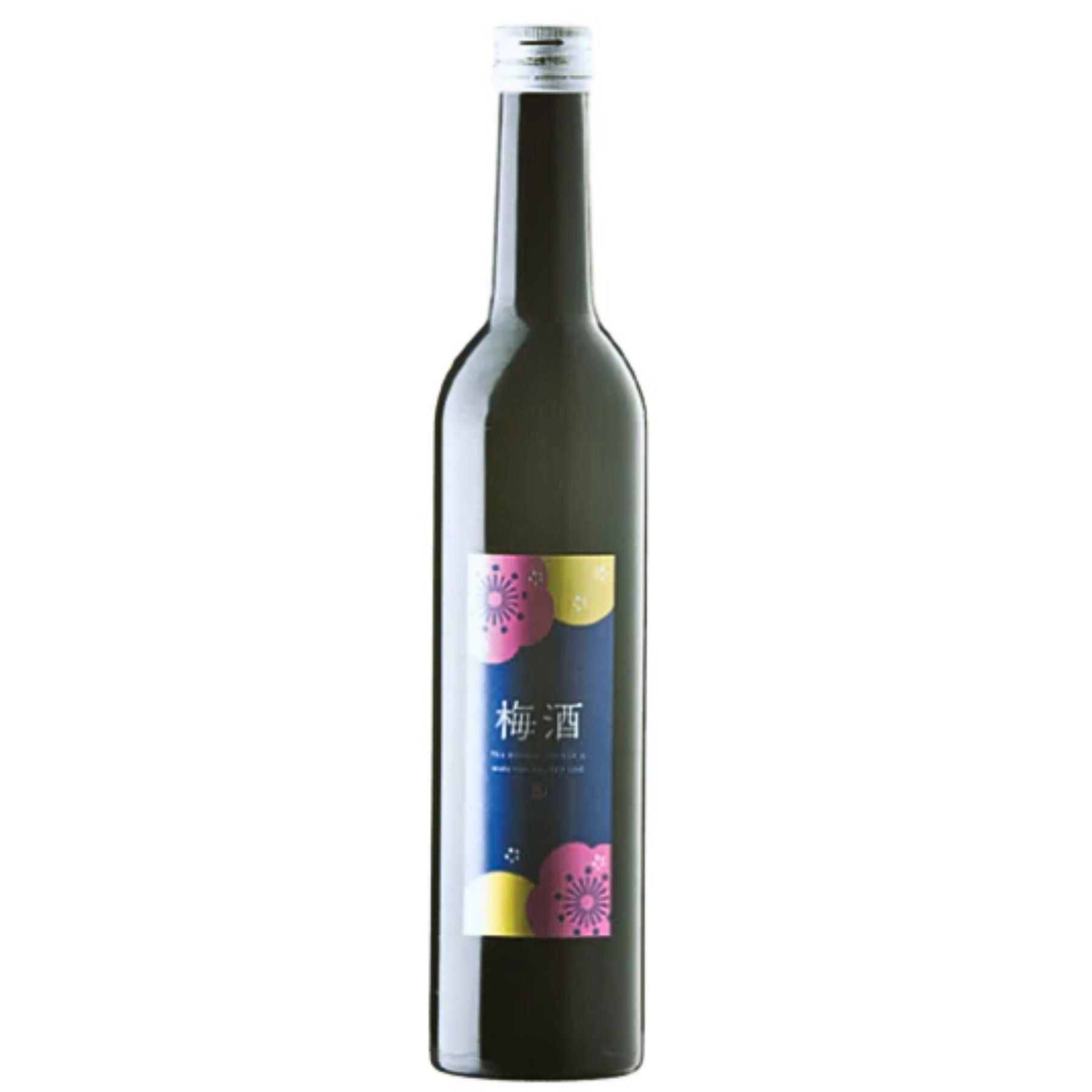
Gozenshu Bodaimoto Umeshu 500ml
$57.74

Gozenshu Bodaimoto Umeshu - “When plums meet honey and hazelnuts.”
Umeshu made by infusing sake and ume (Japanese plums) from Okayama Prefecture. Lightly nutty and honeyed, with excellent acidity. A good balance between sweet and fruity. This umeshu stands out for its unique elegance, making it one of the finest around. Perfect on its own after a meal or in mixology.
The Cellar
Gozenshu (Tsuji Honten Co., Ltd.) was founded in 1804 in Katsuyama, Okayama by Yahei Tsuji, originally a mercenary who ventured into sake brewing.
With its cool climate, fine water, and fine rice, the city of Katsuyama offers an ideal environment for sake production. Over the generations, the family philosophy has always inspired the Toji family to give their all to produce the finest sake without compromise.
Gozenshu sake embodies a distinct flavor, contrasting with other sakes from southern Okayama. While southern sakes are known for their sweetness, Gozenshu reflects the tastes of local drinkers, who endure cold, long winters every year.
In recent years, production has been led by Okayama's first female Toji master, Maiko Tsuji (seventh generation of the family), who inherited the position from her mentor Takumi Harada after his death in 2007. Harada, a renowned master, led Gozenshu for over 40 years. In Japan, approximately 15 of the 1,500 breweries are run by women. Today, with Maiko leading her young team, the company has been revitalized, continuing to dedicate itself to the art of sake brewing.
The Tsuji family has long been involved in cultural activities during the Meiji and Showa periods. The eclectic heads of the family opened their winery to famous artists and writers, such as Tekkan (author), Akiko Yosano (poet), Saishu Onoe (poet/unsigned), and Hekidoto Kawahigashi (poet/essayist), to name a few. Junichiro Tanizaki, a Japanese literary giant and a great sake enthusiast, wrote one of his most important novels, "The Makioka Sisters," while being evacuated to Katsuyama during World War II. His residence continues to attract visitors to the city today.
What the Gozenshu family wanted was a cultural exchange through the finest sake. This was made possible by the sincere dedication of our ancestors, who passed down, generation after generation, the true culture of sake brewing.
| Brand | Gozenshu |
|---|---|
| Spirits Case Size | 1 bottle |
| Spirits Bottle size | 500ml |
Write Your Own Review
Customer Questions